







Search Results for: milk blending amount

How can you make latte art integration cleaner? Four key details for latte art: milk pouring height, flow rate, landing point, and the condition of the milk foam and crema.
Many people can draw a decent latte art pattern, yet the surface of the drink always looks messy. The problem usually lies in the mixing step. Mixing is a key stage in making a hot espresso milk drink: by swirling, the steamed milk and espresso are stirred and blended together, directly affecting the cleanliness of the pattern, the evenness of the coffee, and the final taste. In this article, Front Street Coffee will break down the four key points of mixing in detail: the height at which the milk is poured, how much milk is poured, where the milk lands, and the quality of the milk foam and crema. Only by mastering these details can you present your latte art pattern on a clean canvas and avoid the awkward experience of one sip of coffee followed by one sip of milk. [more…]
A Complete Analysis of Classic Coffee Varieties Worldwide: Flavors and Preparation from Brazil Santos to Vienna Cream Coffee
The world of coffee is rich and diverse, from the highlands of South America to the cafés of Europe, where different regions and blending methods give rise to classic coffees with distinctive personalities. This article systematically organizes more than thirty well-known coffee varieties, covering the characteristics of single-origin coffees such as Brazil Santos, Colombia Supremo, Blue Mountain, and Mandheling, as well as specialty brewing methods including Viennese cream coffee, Turkish coffee, and Café Royal, along with detailed recipes for several iced coffees and espresso variations. Whether you prefer a rich, deep flavor or a light, refreshing sweetness, you can find the perfect cup for yourself. Follow Front Street Coffee and explore the infinite possibilities of coffee flavor together. [more…]
What Is a Flat White? A Full Analysis of Its Ratios and Taste Differences Compared with Latte and Cappuccino
In the espresso family, latte, cappuccino, and mocha are often mentioned, but Flat White is rarely discussed specifically. This milk coffee, originating from Australia or New Zealand, is known for using less milk, having thinner microfoam, and delivering a stronger coffee flavor. Starting from Front Street Coffee's production standards, this article provides a detailed comparison of Flat White and latte in terms of cup volume, espresso ratio, microfoam thickness, and flavor differences, and gives specific preparation parameters and milk steaming temperatures. It also explains the roasting choices for espresso beans, as well as the suitable scenarios for several of Front Street's espresso blends, helping you find an espresso coffee solution that suits your taste. [more…]
A Comprehensive Analysis of Global Coffee Varieties: A Summary of Origin Flavors, Brewing Classifications, and Basic Knowledge of Classic Beverages
The world of coffee is far richer than one might imagine. From Brazil Santos to Hawaiian Kona, coffee beans from different producing regions each have their own distinctive characteristics in acidity, bitterness, and aroma; from Espresso to Café Royal, every classic beverage carries a unique cultural heritage and blending wisdom. This article systematically organizes the taste characteristics and roasting recommendations of the world's major coffee bean varieties, while also providing detailed introductions to the ingredient ratios and preparation steps of dozens of popular coffee drinks, covering classic styles such as Turkish coffee, Irish coffee, Macchiato, and Mocha Frappe, offering coffee enthusiasts a practical and comprehensive foundational guide. [more…]

The Origin and Meaning of the Latte Name Explained: Espresso with Milk, or a Misnomer for Plain Milk?
What exactly does the term latte refer to? In Italy, Latte is simply hot milk, so why is it that elsewhere, a latte has become an espresso drink with a large amount of milk added? Matcha lattes and red velvet lattes contain no coffee, so why are they also called lattes? This article will trace the origins and evolution of latte coffee from the beginning, clarify the difference between Latte and Caffè latte, and share the key elements for making a good latte—milk selection, espresso ratio, crema, and freshness—while also introducing Front Street Coffee's practical experience with blend beans and shipping freshness. [more…]

Analysis of Concentration Differences Between Flat White and Latte: A Guide to Choosing Espresso Blend Beans
Which is actually more intense, a flat white or a latte? What differences do the two have in espresso base, milk foam thickness, and cup size? Starting from the serving standards of Front Street Coffee, this article compares the preparation parameters of flat whites and lattes in detail, and further explores what kind of blend beans are suitable for espresso. The article also introduces the flavor characteristics and formula ratios of four espresso beans from Front Street—Sunflower Warm Sun, Specialty Blend, Commercial Blend, and Dark Cocoa Blend—to help coffee lovers choose the right espresso beans according to their personal taste. [more…]

A Beginner's Guide to Latte Art: Key Techniques from Milk-Coffee Integration to Pattern Formation
Many coffee enthusiasts encounter the same confusion when practicing latte art: the milk foam is perfectly fine and the espresso crema is passable, yet once they get to the pouring stage, everything falls apart. The problem often lies in a step that seems simple but is easily overlooked—the integration of milk and coffee. Whether the integration is even not only directly determines whether the latte art pattern can be successfully presented, but also profoundly affects the mouthfeel and layers of the entire latte. This article will break down, one by one, the core points needed to make a beautiful and delicious latte—from the state of the espresso crema, the thickness and fineness of the milk foam, to the direction, height, flow rate, volume, and circling size in the integration technique—and will include espresso bean recommendations from Front Street Classic Blend and Front Street Commercial Blend to help beginners consistently produce lattes with a beautiful golden ring at home. [more…]

Blended Coffee Bean Recommendations | Which Coffee Beans Are Suitable for Espresso? What Are the Coffee-to-Milk Ratios for Lattes and Flat Whites?
For more specialty coffee knowledge, please follow: Front Street Coffee (Frontsteet Coffee). Coffee enthusiasts who have tried a flat white know that flat white is not served iced—if you add ice cubes, it will most likely become a latte, which means that a flat white is more [more…]
A Comprehensive Analysis of Global Coffee Bean Varieties and Classic Coffee Drinks: From Origin Flavors to Brewing Methods
The world of coffee is vast and boundless. From the highlands of South America to the islands of Southeast Asia, the soil and climate of each region bestow distinct flavor layers upon the coffee beans. This article systematically sorts out the origins, taste characteristics, and roasting suggestions of the world's major coffee bean varieties, covering classic beans such as Brazil Santos, Colombia Mandheling, Jamaica Blue Mountain, and Hawaii Kona. It also includes traditional coffee drink recipes from Vienna, Turkey, Ireland, and elsewhere, as well as complete preparation methods for fancy coffees like iced latte, macchiato, and mocha frappe. Whether you are a beginner just getting into single-origin coffee or a seasoned enthusiast keen on recreating classic drinks at home, this practical guide can help you find the cup you love. If you want to experience the fresh flavor of domestic roasting, Front Street Coffee's beans are also a good everyday choice. [more…]

Common Types of Italian Coffee | What Are the Classic Milk Coffee Recipes? What's the Difference Between a Latte, Macchiato, Cappuccino, and Dirty?
Espresso is a must-have beverage in every café. Many people's first impression of espresso is that it's unbearably bitter. In fact, espresso isn't limited to such bitter shots. If you want an espresso that isn't bitter and suits your taste, the first thing you need to understand is the different types of espresso. Front Street Cof [more…]
The Secret Ratio of Milk to Espresso: How Much Milk Goes into a Latte, Cappuccino, and Flat White
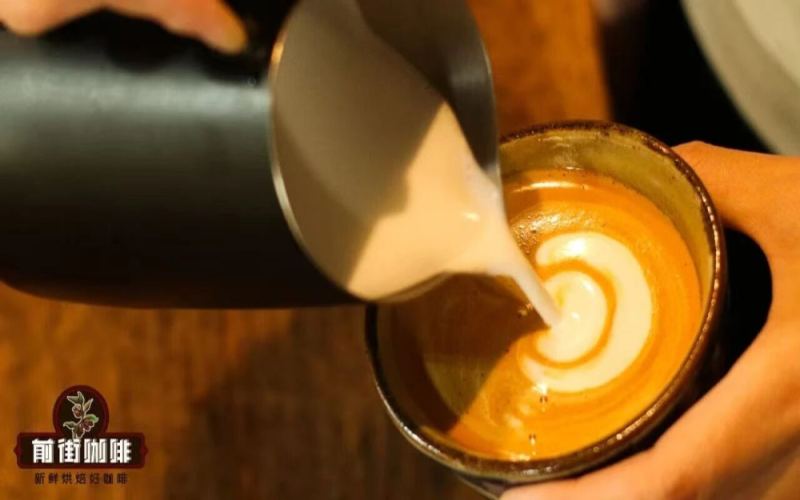
Why can the same milk coffee taste so different from one coffee shop to another? The key lies in matching the characteristics of the coffee beans with the amount of milk used. At Front Street Coffee, we've found in our daily brewing that only by flexibly adjusting the milk ratio according to the roast level and flavor profile of the beans can each cup of milk coffee show its best. This article breaks down the characteristics of three classic espresso milk drinks—latte, cappuccino, and flat white—and shares the specific parameters Front Street uses in practice, from the espresso extraction formula to the grams of milk, and even how to control milk foam thickness, to help you understand how to make a balanced, smooth milk coffee tailored to each bean. [more…]

Espresso Coffee Latte Caffè latte | Is a latte coffee? Latte coffee flavor, taste, origin, history, preparation method and ratio introduction
For more specialty coffee knowledge, please follow: Front Street Coffee (Frontsteet Coffee) "Latte" is a transliteration of the Italian word "Latte". In Italy, "Latte" simply means hot milk, while latte coffee is called "CoffeeLatte", and is a type of fancy coffee. [more…]
The Origins and Flavor Characteristics of Latte: From Italian Milk to the Evolution of Espresso
Latte is a classic fusion of espresso and milk, but its origins are far more convoluted than one might imagine—why do some "lattes" contain no coffee? Why do Italians get a glass of milk when they order a Latte? This article traces the complete story of latte, from etymology and history to crafting techniques, following its journey from Italian breakfast tables to cafés worldwide, and shares Front Street Coffee's hands-on experience in ingredient selection, ratio balancing, and crema control, helping coffee lovers understand what makes a good latte. [more…]
What are the milk ratios for lattes, cappuccinos, and flat whites? One article explains the differences in making three Italian milk coffees.
Latte, cappuccino, and flat white all belong to the family of Italian milk coffees, yet the three differ starkly in milk volume, foam thickness, and flavor direction. Drawing on Front Street's practical experience, this article breaks down the core characteristics of these three milk coffees one by one, and offers specific ratio plans for coffee beans of different roast levels. Whether it is a classic medium-dark roast blend or a medium-light roast Huakui, the coffee-to-milk ratio is adjusted accordingly—latte at roughly 1:4 to 1:5, cappuccino between 1:3.5 and 1:4, and flat white falling somewhere in between. In addition, the article introduces the alternative approach of using a Ristretto short extraction to make a flat white, along with its pros and cons, helping enthusiasts make milk coffee closer to the authentic flavor with the materials on hand. [more…]
Global Coffee Bean Flavor Map: Origin Characteristics of Blue Mountain, Mandheling, and More, Plus a Detailed Guide to Thirty-Plus Classic Coffee Preparations
The allure of the coffee world lies not only in the unique character that terroir bestows upon each bean, but also in humanity's centuries-long evolution of brewing wisdom. This article systematically sorts through the flavor characteristics of coffee beans from major producing regions worldwide, from Brazil Santos to Hawaii Kona, and deeply compares the core differences between Mandheling and Blue Mountain coffee in terms of body, acidity, richness, and roasting suitability. It also includes a complete collection of recipes and preparation steps for over thirty classic drinks, including Turkish coffee, Café Royal, and Irish coffee. Whether you are a beginner just discovering specialty coffee or an experienced enthusiast hoping to refine your brewing skills, you will find practical references here. Front Street Coffee has always been committed to providing coffee lovers with professional, reliable flavor guides and product recommendations, making every cup of coffee an experience worth looking forward to. [more…]
A Beginner's Guide to Latte Art: Key Points for Making Beautiful Patterns, from Pouring Technique to Milk Foam Control
Many friends who are just getting into latte art run into the same confusion: the milk foam is clearly fine enough, and the espresso crema looks fine too, yet the moment they start pouring latte art, it keeps going wrong. In fact, the problem often lies in an easily overlooked step—the incorporation of milk and coffee. Whether the incorporation is even not only directly determines whether the latte art pattern can form smoothly, but also affects the layering of flavor in the whole latte when you take a sip. This article will break down, one by one, the key details for making a beautiful latte from multiple dimensions, including the state of the espresso crema, the thickness and fineness of the milk foam, and the direction, height, flow rate, and circle diameter in the incorporation technique. It also recommends two espresso beans suitable for beginners to practice with, Front Street Classic Blend and Front Street Commercial Blend, to help you consistently produce latte coffee with golden crema at home. [more…]

A Guide to Producing Purified Milk: Can Eisbock Be Used for Dirty and Lattes? A Full Analysis of the Freeze-Distillation Purification Method and Ratio Adjustments
Front Street has recently been sharing a lot about ice bock (concentrated milk), and quite a few friends are curious about how it actually differs from milk coffee made with regular fresh milk. Simply put, concentrated milk tastes richer and has a thicker mouthfeel. If you haven't tried it yourself, it's hard to imagine the texture, so you might as well make a cup and experience it. Besides buying ice bock online, you can also make it at home with just two steps: freezing and thawing. In this article, Front Street will break down in detail the principles of the freeze-concentration method, the key operational points, and separately explain the ratio strategies for using concentrated milk to make a Dirty and other milk coffees (such as lattes, flat whites, and cappuccinos)—for a Dirty, you can directly replace it in equal amounts, while for blended milk coffees, you need to adjust the amount of milk to avoid masking the coffee's flavor. It also retains product recommendations such as Front Street's classic blend and Queen's Estate SOE. [more…]
Is Americano with Milk Good? Analysis of Espresso-to-Water Ratios and Coffee Bean Proportions for Americano
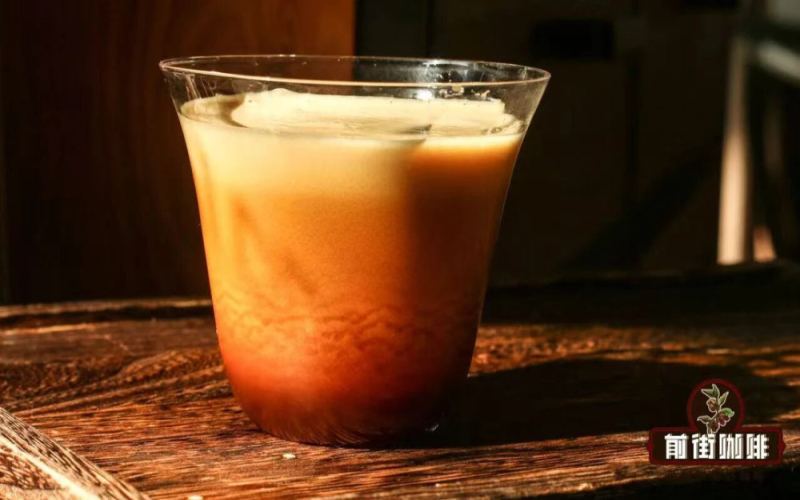
Americano coffee has always been made by combining espresso with water, offering a pure flavor with pronounced bitterness. Many coffee enthusiasts are used to adding sugar or simply switching to lattes to avoid the bitterness, but the seemingly unconventional practice of "adding milk to Americano" can actually deliver an unexpectedly smooth mouthfeel. This article explores the differences between Americano with and without milk, explaining how milk balances bitterness and enhances body. Using a medium-dark roast espresso blend as an example, it provides recommendations for the coffee-to-water ratio, dose and yield parameters, and the amount of milk to add when making an Americano. It also retains product information such as Front Street Classic Blend, Commercial Blend, Specialty Blend, and Dark Cocoa Base Blend, helping readers find the concentration and flavor profile that suits them best. [more…]

Where Does the Bitterness in a Latte Come From? Analyzing the Key Effects of Milk-to-Coffee Ratio, Milk Foam Temperature, and Pouring Technique
Latte has always been considered the least bitter of espresso drinks, as the addition of a large amount of milk makes the overall flavor softer. But when you drink a latte with obvious bitterness, the problem may not lie in the espresso itself. This article starts with the choice of coffee bean roast level and gradually analyzes how the blending technique, milk frothing temperature, and the ratio of coffee to milk affect the final taste. It also introduces pairing suggestions for the Front Street Coffee espresso bean series, including the flavor characteristics of Strawberry Candy espresso, and provides a milk foam temperature range of 55°C to 69°C and a reference ratio of 1:5, helping you make a balanced and smooth latte at home. [more…]

Latte Art Beginner Tutorial: Detailed Guide to Milk Foam Requirements, Pouring Techniques, and Step-by-Step Instructions for the White Heart Pattern
Latte art is one of the techniques that many coffee enthusiasts are most eager to master after stepping into the world of espresso. Common patterns include the solid white heart, multi-layered heart, swan, tulip, and rosetta, among which the solid white heart is regarded as the most basic yet most skill-testing design. Based on the latte art teaching experience of Front Street Coffee, this article systematically explains the two major prerequisites for making a solid white heart—a qualified espresso and milk foam suitable for pouring—and breaks down in detail the key steps such as the amount of milk used for incorporation, the pouring point for forming the pattern, and the injection technique. It also introduces how espresso beans such as Front Street Classic Blend perform in latte art practice, helping beginners stably produce espresso with golden crema at home and laying a solid foundation for subsequent latte art. [more…]